
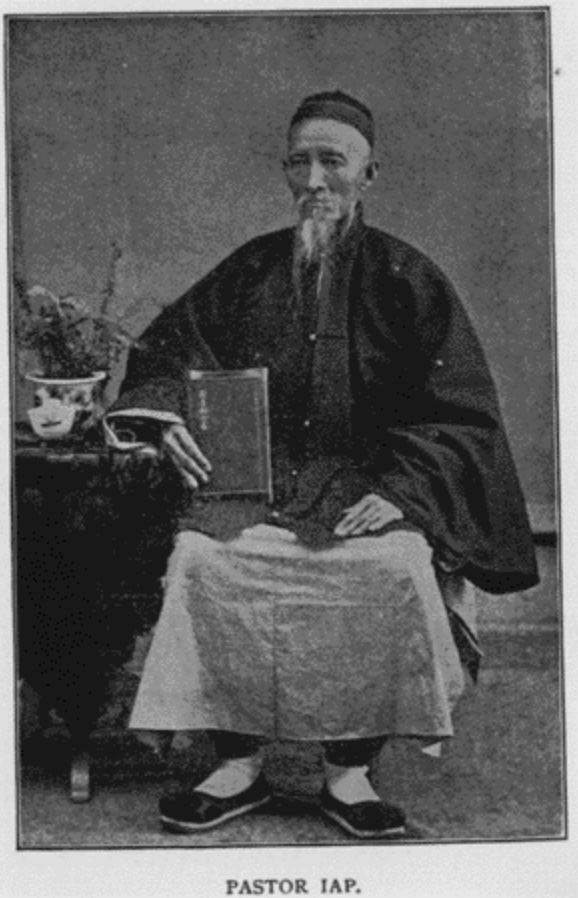
葉漢章牧師
Credit: https://oldchinaphotos.blogspot.com/2016/10/talmage-tribute-by-pastor-iap-han.html
Author: Wu Paulo
Ye Hanzhang, the first Chinese priest of Xiamen Bamboo Tree Hall, was the pioneer of the independence of the Chinese church. He and Pastor Luo Jiayu (Xinjie Hall) were the earliest priest of the Chinese Church. During his more than 50 years of serving career, he traveled to Fujian and Taiwan, making contributions to the spread of the Gospel and the construction of the Chinese Church.
Ye Hanzhang was born in Pinghe, Fujian province on March 29,1832. He was adopted by a businessman engaged in a timber business in Xiamen. Their shop is located in downtown Xiamen, with a place called “bamboo tree foot” because of the lush bamboo forest (now Jiahe Road). It is close to the sea and densely populated, which was an important traffic route in Xiamen at that time. All the boats moored here. They lit lights at night and interwoven into a beautiful landscape. “Yun Dang” became one of the eight landscapes in Xiamen.
In August 1847, the priest of the American reformed Society came to Xiamen. He immediately took care of the beautiful place at the foot of the bamboo tree, rented a house and lived here, and set up a preaching station. The shop of the Ye family is just next door to the horse character house. The wonderful arrangement of god enables the young Ye Hanzhang to often contact with the horse character and listen to his Gospel about the salvation of Jesus Christ. In the communication, Ye Hanzhang was gradually attracted by the Gospel.
Moved by the Holy Spirit, he determined to become the son of God. However, due to the gap between faith and culture, his father tried his best to stop his believers. Before long, there was a riot in Xiamen, and the Ye family was not spared, the property they had accumulated for many years was destroyed, and the bankrupt Ye family was forced to wander on the streets. Seeing this, the family immediately settled the Ye family on the first floor of their house and provided their needs. The Ye family witnessed the great love of Christ from the act of writing horses and was deeply moved.
Ye’s father’s hard heart softened. He not only supported his son to be baptized to the Lord, but then the whole family became the people of the country of heaven. Before long, Ye Hanzhang was seriously ill, but his master was him and saved the crisis. Ye Hanzhang, who had experienced many hardships and saved the danger, had a deeper understanding of the Lord’s great power. He decided to offer himself as a “living sacrifice”, use his whole life and pass the Lord’s Gospel to the villagers in southern Fujian. He entered the seminary and served at the Bamboo Tree Hall.
The Reformed Church of the United States and the British Presbyterian Church advocate the autonomy of the Chinese church and pay attention to the cultivation of local missionaries. They believed that to bring the Chinese to the Lord, the Gospel must adapt to the special environment of China, which was difficult for only a few Western missionaries to do, so the Chinese must shoulder the mission of blessing. Although the initiative of typing horses and others was strongly resisted by the national leaders, they firmly believed in the Lord and knew that the self-reliance of the Chinese church is the will of God, so they resisted the pressure from all sides and actively promoted the self-reliance of the Chinese church.
In 1855, the elders and deacons were preferred by Xinjie Tang and Zhushu Hall. On May 11 of the same year, the senior executive committee was established to take care of church affairs. In 1862, the two sides held a meeting with the workers to formally established the Zhangquan Elder Conference. The charter of the congress stipulates that the daily affairs of the Zhangquan Congress are managed by Chinese believers, and foreign missionaries only serve as consultants and consultants, and should not interfere in the church affairs.
After the establishment of the Zhangquan Conference, the subordinate hall began to hire their own ministers. Ye Hanzhang, then the elder of Zhushutang in Xiamen, became the best choice for the first Chinese priest of Zhushutang because of his solid foundation of truth and his familiarity with the local conditions and conditions in Xiamen. In 1863, Elder Ye Hanzhang was appointed as the priest of the Bamboo Tree Hall, and was founded as the priest of the Chinese church.
Pastor Ye Hanzhang served in the Bamboo Tree Hall for 18 years. He not only preached well with believers, but also cared about the life of believers and often gave help, thus winning the admiration of believers. Pastor Ye also participated in the creation of hymns. At present, the 293rd poem of Minnan, which is sung in churches in southern Fujian Taiwan, Southeast Asia and other places, is his representative work.
In 1872, at the invitation of the Taiwan Church, Ye Hanzhang crossed the Taiwan Strait to fight the dog area of Taiwan. At this time, Gan Weilin, a British missionary, went to the dog parish from the Taiwan Prefecture to find Pastor Li Xiu. So the three of them joined them on their education tour in Taiwan. They visited tou (Fengshan), Ali Port, Muzha, orange forest, horse, and so on. In this process, Ye Hanzhang preached in Hokkien, and combined with the folk stories and proverbs popular with the local people, which greatly eliminated the cultural barriers and made the local people have a deeper understanding of the Gospel of Jesus Christ. Later, Gan lamented that " local missionary really need local origin and educated people to serve, beginning to overcome the obstacles of missionary.”
In 1883, Ye Hanzhang left the Bamboo Tree Hall to serve at the Creek Church in Zhangzhou. After Pastor Ye came to the stream, although the living conditions were difficult, he still made the master. The Gospel of the stream area prospered, and there were many believers. In several years, four churches including Banzai and Nancheng were established. According to pastor Lin Zhicheng (the father of Lin Yutang) in the History of the peaceful Christian Church, Ye Hanzhang was " gentle and respectful, kept good principles, bamboo sticks and shoes, and announced the Gospel.“The stream not only established a church, but also set up a school and a hospital (founded by John Yu), which promoted the development of culture, education and health undertakings, greatly improved the cultural quality of the local people, and got rid of the backward appearance.
Ye Hanzhang not only raised the church, but also actively engaged in social public welfare undertakings. At that time, the British missionary Mai Heat and Mary, the second daughter of Malaysia Minister, launched the Xiamen Foot binding Association, which also changed customs and abolished the evil habit of foot binding. Ye Hanzhang participated in the book “Foot binding” denounced the dangers of foot binding. In the book, he wrote: " The way of love, but not to love their children, since five or six years old, they suffer enough, prison bundle tight, just like burning force, not gas resistance, if the same pressure ankle?…… Or view when binding feet, tight tie shout pain, mother is cool hit its female, strong make the pain embarrassed.”
In 1912, the Xiamen Church prepared to hold a commemoration of the 50 years of church autonomy in September, and the activity was decided to be presided over by Ye Hanzhang. However, in June of that year, priest Ye Hanzhang finished his 80 years of life and rested in the Lord’s arms.
作者:吳保羅
廈門竹樹堂首任華人牧師葉漢章是中國教會自立的先驅,他與羅嘉魚牧師(新街堂)為中國本色化教會最早的牧者,他在長達50多年的侍奉生涯中,足跡遍及閩、臺兩地,為福音的傳播以及中華本色教會的建設作出了貢獻。
葉漢章於1832年3月29日生於福建平和,年少時被廈門一從事木材生意的商人收養。他們家的店鋪位於廈門的鬧市區,附近的筼筜港邊上有一片因竹林茂盛而被稱為“竹樹腳”的地方(今開禾路口)。此處靠近海邊,人口稠密,是廈門當時重要的交通要道,來往的船家都會在此停泊,他們在夜晚燃燈照明,點點燈火交織成一道美麗的風景線,“筼筜漁火”也成為廈門的八大景觀之一。1847年8月,美國歸正會打馬字牧師來到廈門,他立刻相中了竹樹腳這個美麗的地方,在此租民房住了下來,並設立佈道站。
葉家的店鋪正好在打馬字家隔壁,神的奇妙安排使年輕的葉漢章能夠經常和打馬字接觸,聆聽他關於耶穌基督救世的福音。在交往中,葉漢章逐漸被福音所吸引,在聖靈的感動下,他立志成為神的兒女。但是,由於信仰與文化的隔閡等原因,父親極力攔阻其信主。不久,廈門發生暴亂,動亂中葉家未能倖免,多年積攢的財產毀於一旦,破產的葉家人被迫在街上流浪。打馬字見此情形,立即把葉家人安頓在其住宅的第一層,並提供他們生活所需。葉家人從打馬字的行為中見證了基督的大愛,深受感動,葉的父親那剛硬的心就此軟化,不僅支持兒子受洗歸主,接著全家都成為天國的子民。不久,葉漢章身患重病,但蒙主醫治,轉危為安。多次經歷了患難,而又化險為夷的葉漢章更深認識主的大能,他決定將自己完全獻上作為“活祭”,一生為主所用,將主的福音傳給閩南鄉親。他進入神學院學習,同時在竹樹堂侍奉。
美國歸正會、英國長老會宣導中國教會自治,注重本土傳道人的培養。他們認為要使中華歸主就必須使福音適應中國特殊的環境,而這僅靠幾位西方傳教士難以做到,因此必須讓華人擔負起福傳使命。雖然打馬字等人的倡議遭到本國差會的強烈抵制,但他們堅定地信靠主,知曉中國教會的自立是神的旨意,因而頂住來自各方的壓力,積極推動華人教會的自立。1855年,新街堂和竹樹堂首選長老和執事,同年5月11日成立長執會,料理教會事務。1862年,兩會同工舉行會議,正式成立漳泉長老大會。大會憲章規定,漳泉大會的日常事務由華人信徒管理,外國宣教士只擔任顧問與諮詢,不得干涉教會事務。漳泉大會成立後,下屬的堂會開始自己選聘牧師。時任廈門竹樹堂長老的葉漢章因其扎實的基要真理造就,以及對廈門風土民情的熟悉,成為了竹樹堂首任華人牧師的不二人選。1863年,葉漢章長老被按立為竹樹堂牧師,為中國教會自養自聘牧師之始創。葉漢章牧師在竹樹堂侍奉18年,他不僅講道深受信徒歡迎,還關心信徒生活,經常給予幫助,因而得到信徒的敬佩。葉牧師還參與讚美詩的創作,目前傳唱於閩南、臺灣、東南亞等地教會的《閩南聖詩》第293首《此時禮拜將要息》就是他的代表作。
1872年,葉漢章應臺灣教會邀請,橫渡臺灣海峽來到臺灣打狗地區,此時,英國宣教士甘為霖從臺灣府前往打狗教區找李庥牧師。於是他們3人相偕在臺灣巡迴宣教。他們一行先後訪問了埤頭(鳳山)、阿裏港、木柵、柑仔林、拔馬、岡仔林等地。在此過程中,葉漢章用閩南語講道,並結合當地人喜聞樂見的民間故事、諺語,大大消除了文化隔閡,使當地人更深入明白耶穌基督的福音。事後,甘為霖感慨到“本地傳教確需要本地出身受過教育的人士來擔任,始能克服傳教的障礙。”
1883年,葉漢章離開竹樹堂,前往漳州的小溪教會侍奉。葉牧師到小溪後,雖然生活條件艱苦,但仍兢兢業業做主的工,小溪地區的福音興旺,信徒眾多,幾年時間相繼建立了板仔、南勝等四間教會。據林至誠牧師(林語堂之父)在《平和基督教會史略》中記載,葉漢章“溫溫恭人,守成善道,竹杖芒鞋,旬宣福音。”小溪不僅建立了教堂,還設立了學校、醫院(鬱約翰創辦),促進了文教衛生事業的發展,大大提高當地人的文化素質,擺脫了落後的面貌。
葉漢章不僅牧養教會,還積極從事社會公益事業。當時,英國宣教士麥高溫與打馬字牧師二女兒馬利亞等人發起廈門戒纏足會,亦在移風易俗,廢止罪惡的纏足陋習。葉漢章參與其中,著有《戒纏足論》痛斥纏足的危害。在書中他寫到:“愛人之道,莫先於愛己子女,奈何將己之子女,自五六歲時,則苦其足,牢束緊紮,儼似烙逼,氣阻不行,若同壓踝?……或觀纏足之時,緊紮呼痛,母即酷打其女,強使之痛楚難堪。”
1912年,廈門教會準備在9月舉行教會自治50年的紀念活動,活動決定由葉漢章主持。但是,在這年6月,葉漢章牧師走完了其80年人生歷程,在主懷裏安息。
作者:吴保罗
厦门竹树堂首任华人牧师叶汉章是中国教会自立的先驱,他与罗嘉鱼牧师(新街堂)为中国本色化教会最早的牧者,他在长达50多年的侍奉生涯中,足迹遍及闽、台两地,为福音的传播以及中华本色教会的建设作出了贡献。
叶汉章于1832年3月29日生于福建平和,年少时被厦门一从事木材生意的商人收养。他们家的店铺位于厦门的闹市区,附近的筼筜港边上有一片因竹林茂盛而被称为“竹树脚”的地方(今开禾路口)。此处靠近海边,人口稠密,是厦门当时重要的交通要道,来往的船家都会在此停泊,他们在夜晚燃灯照明,点点灯火交织成一道美丽的风景线,“筼筜渔火”也成为厦门的八大景观之一。1847年8月,美国归正会打马字牧师来到厦门,他立刻相中了竹树脚这个美丽的地方,在此租民房住了下来,并设立布道站。
叶家的店铺正好在打马字家隔壁,神的奇妙安排使年轻的叶汉章能够经常和打马字接触,聆听他关于耶稣基督救世的福音。在交往中,叶汉章逐渐被福音所吸引,在圣灵的感动下,他立志成为神的儿女。但是,由于信仰与文化的隔阂等原因,父亲极力拦阻其信主。不久,厦门发生暴乱,动乱中叶家未能幸免,多年积攒的财产毁于一旦,破产的叶家人被迫在街上流浪。打马字见此情形,立即把叶家人安顿在其住宅的第一层,并提供他们生活所需。叶家人从打马字的行为中见证了基督的大爱,深受感动,叶的父亲那刚硬的心就此软化,不仅支持儿子受洗归主,接着全家都成为天国的子民。不久,叶汉章身患重病,但蒙主医治,转危为安。多次经历了患难,而又化险为夷的叶汉章更深认识主的大能,他决定将自己完全献上作为“活祭”,一生为主所用,将主的福音传给闽南乡亲。他进入神学院学习,同时在竹树堂侍奉。
美国归正会、英国长老会倡导中国教会自治,注重本土传道人的培养。他们认为要使中华归主就必须使福音适应中国特殊的环境,而这仅靠几位西方传教士难以做到,因此必须让华人担负起福传使命。虽然打马字等人的倡议遭到本国差会的强烈抵制,但他们坚定地信靠主,知晓中国教会的自立是神的旨意,因而顶住来自各方的压力,积极推动华人教会的自立。1855年,新街堂和竹树堂首选长老和执事,同年5月11日成立长执会,料理教会事务。1862年,两会同工举行会议,正式成立漳泉长老大会。大会宪章规定,漳泉大会的日常事务由华人信徒管理,外国宣教士只担任顾问与咨询,不得干涉教会事务。漳泉大会成立后,下属的堂会开始自己选聘牧师。时任厦门竹树堂长老的叶汉章因其扎实的基要真理造就,以及对厦门风土民情的熟悉,成为了竹树堂首任华人牧师的不二人选。1863年,叶汉章长老被按立为竹树堂牧师,为中国教会自养自聘牧师之始创。叶汉章牧师在竹树堂侍奉18年,他不仅讲道深受信徒欢迎,还关心信徒生活,经常给予帮助,因而得到信徒的敬佩。叶牧师还参与赞美诗的创作,目前传唱于闽南、台湾、东南亚等地教会的《闽南圣诗》第293首《此时礼拜将要息》就是他的代表作。
1872年,叶汉章应台湾教会邀请,横渡台湾海峡来到台湾打狗地区,此时,英国宣教士甘为霖从台湾府前往打狗教区找李庥牧师。于是他们3人相偕在台湾巡回宣教。他们一行先后访问了埤头(凤山)、阿里港、木栅、柑仔林、拔马、冈仔林等地。在此过程中,叶汉章用闽南语讲道,并结合当地人喜闻乐见的民间故事、谚语,大大消除了文化隔阂,使当地人更深入明白耶稣基督的福音。事后,甘为霖感慨到“本地传教确需要本地出身受过教育的人士来担任,始能克服传教的障碍。”
1883年,叶汉章离开竹树堂,前往漳州的小溪教会侍奉。叶牧师到小溪后,虽然生活条件艰苦,但仍兢兢业业做主的工,小溪地区的福音兴旺,信徒众多,几年时间相继建立了板仔、南胜等四间教会。据林至诚牧师(林语堂之父)在《平和基督教会史略》中记载,叶汉章“温温恭人,守成善道,竹杖芒鞋,旬宣福音。”小溪不仅建立了教堂,还设立了学校、医院(郁约翰创办),促进了文教卫生事业的发展,大大提高当地人的文化素质,摆脱了落后的面貌。
叶汉章不仅牧养教会,还积极从事社会公益事业。当时,英国宣教士麦高温与打马字牧师二女儿马利亚等人发起厦门戒缠足会,亦在移风易俗,废止罪恶的缠足陋习。叶汉章参与其中,著有《戒缠足论》痛斥缠足的危害。在书中他写到:“爱人之道,莫先于爱己子女,奈何将己之子女,自五六岁时,则苦其足,牢束紧扎,俨似烙逼,气阻不行,若同压踝?……或观缠足之时,紧扎呼痛,母即酷打其女,强使之痛楚难堪。”
1912年,厦门教会准备在9月举行教会自治50年的纪念活动,活动决定由叶汉章主持。但是,在这年6月,叶汉章牧师走完了其80年人生历程,在主怀里安息。
Further Reading
Fifty Years in Amoy OR A History of the Amoy Mission, CHINA Forty Years in South China | The Life of Rev. John Van Nest Talmage, D.D. by Fagg Talmage Tribute by Pastor Iap Han Chiong, 1st Pastor of Amoy’s Bamboo Church 宣教士父子兵系列之打马字家族 賴永祥講書 (005)