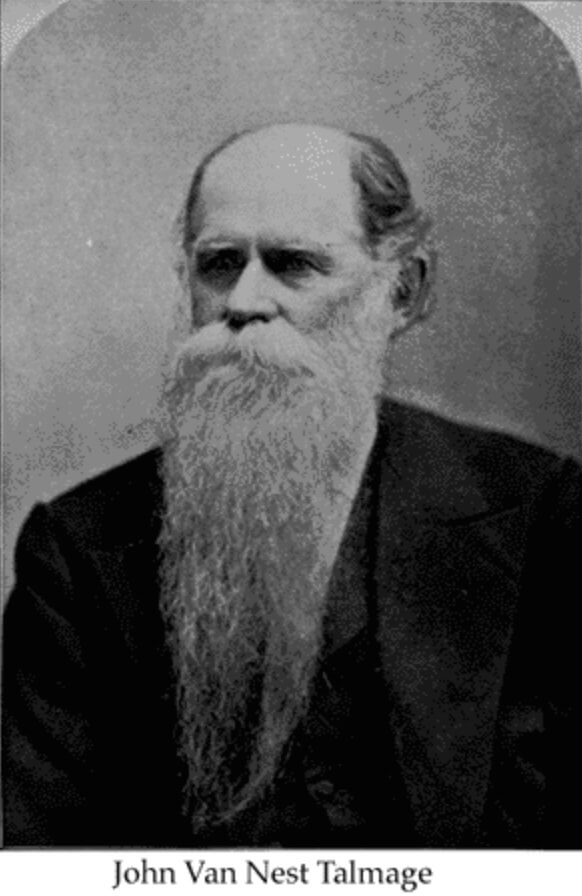
Credit: [https://oldchinaphotos.blogspot.com/2016/10/talmage-tribute-by-pastor-iap-han.html](https://oldchinaphotos.blogspot.com/2016/10/talmage-tribute-by-pastor-iap-han.html)
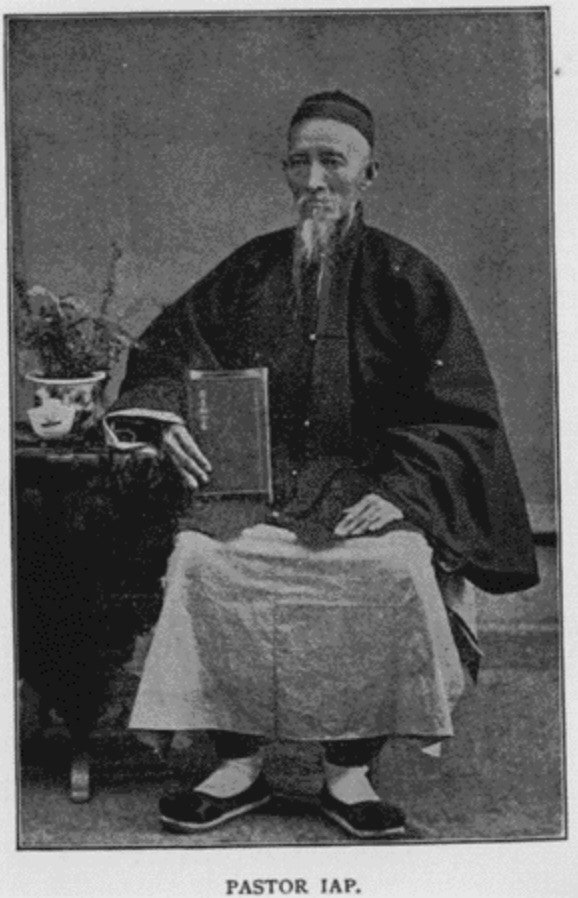
葉漢章牧師
Credit: [https://oldchinaphotos.blogspot.com/2016/10/talmage-tribute-by-pastor-iap-han.html](https://oldchinaphotos.blogspot.com/2016/10/talmage-tribute-by-pastor-iap-han.html)
In the early 19th century, Christian educators in England began reimagining how music could be taught in a way that was accessible to all, not just the elite or classically trained. Around 1828, Sarah Anna Glover developed what would become the foundation of the Tonic Sol-Fa system—using Do‑Re‑Mi syllables and simplified signs to teach pitch and musical relationships. In 1841, her work was expanded by John Curwen, who formalized the movable-Do solfège method, allowing singers to identify and reproduce scale degrees in any key by ear.
This numerical and syllabic approach to music education quickly gained popularity in Sunday schools, mission halls, and public classrooms. It removed the barrier of staff notation and focused instead on internalizing sound through numbers, letters, and rhythmic syllables. Around the same time, in America, educators like Lowell Mason—known as the “father of music education in public schools”—incorporated these solfège techniques into voice training programs throughout Boston and New England. Although staff notation remained the norm in formal settings, the use of solfège and shape-note systems helped thousands of students and church members understand pitch, rhythm, and harmony.
The influence of this movement soon spread globally through missionary educators like Luther Whiting Mason, who helped introduce Western music pedagogy—including solfège and tonic-based numbering—to schools in Japan during the 1870s. These developments planted seeds for a broader vision: that music could be both spiritually enriching and universally teachable, even across languages and cultures.
Amoy: The Meeting of Mission and Method (1847–1930s)
That vision took root in Amoy (Xiamen) when Dr. John Van Nest Talmage (1819–1892), a missionary of the Reformed Church in America, arrived in 1847. With a deep burden for evangelism and a passion for education, Talmage saw music as a key part of building the church. Recognizing the limitations of traditional Western notation among local Chinese congregants, Talmage and fellow missionaries began to introduce a numerical music notation system—one that used 1 to 7 to represent the notes of the scale, much like the Galin-Paris-Chevé system and the movable-Do solfège tradition in England.
This approach naturally resonated with the oral and tonal traditions of the Southern Min (Minnan)–speaking communities of Amoy and Gulangyu Island. Hymns were translated into Amoy Romanized script (Pe̍h-ōe-jī) and paired with numbered melodies, making it possible for believers—many with no formal musical training—to sing with joy and understanding. By the 1870s–1880s, the use of numerical notation had become deeply rooted in church life, especially among youth, choirs, and women’s fellowship groups.
Into this growing tradition stepped Pastor Ip Han Chiong (葉漢章牧師) in the early 20th century. A devoted Christian leader with a gift for music and pedagogy, Pastor Ip built upon the foundation laid by Talmage and earlier missionaries. He further refined the Amoy numerical notation system, integrating Do‑Re‑Mi solfège principles with structured, numbered hymn melodies. Through his efforts, over 300 traditional Amoy hymns were preserved, harmonized, and taught in a way that touched both heart and mind—allowing congregants to not only sing, but to grasp the biblical truths embedded in each song.
A Lasting Legacy of Accessible Worship
From Glover’s classroom in Norwich, to Mason’s singing schools in Boston, to the mission houses on Gulangyu Island, the numerical solfège tradition traveled across continents and cultures—anchored in a singular purpose: to equip God’s people to worship in spirit and truth. Through the dedication of educators like Curwen, Lowell Mason, Luther Mason, and Dr. Talmage, and through the faithful local leadership of Pastor Ip, a unique hymnological heritage was born in Amoy.
Today, the Amoy numerical hymn tradition remains a powerful example of contextualized worship—a sacred bridge between Western pedagogy and Eastern faith expression, where every number, every note, and every voice becomes an offering of praise to our Lord.
神聖的交匯:從英美傳到廈門(1820s–1930s)
十九世紀初,英國的基督教教育家開始重新思考,如何讓音樂教育變得更容易被一般民眾接受,特別是在教會與學校中。大約在1828年,莎拉·安娜·格洛弗(Sarah Anna Glover)發展出一套基礎的首調視唱法(Tonic Sol-Fa),使用Do–Re–Mi音節與簡易符號來教授音高與音程關係。到了1841年,約翰·柯溫(John Curwen)進一步完善此系統,正式建立了首調式(movable-Do)視唱法,讓學習者能夠在任何調性中辨識音階。
這套結合數字與音節的音樂教學法迅速在主日學、宣教站與公共課堂中流行起來。它打破了五線譜的門檻,幫助人們透過「聽與唱」內化音樂。此時,在美國,教育家如羅威爾·梅森(Lowell Mason)——被譽為「美國公共音樂教育之父」——也在波士頓與新英格蘭地區,將這套首調視唱法應用於聲樂訓練與學校教育。雖然正式音樂教育仍以五線譜為主,但透過形符記譜與數字符號的方式,讓無數學生與教會會眾能夠理解音高、節奏與和聲。
這場音樂教育改革也透過宣教士傳播至全球。例如:路德·惠廷·梅森(Luther Whiting Mason)便於1870年代前往日本,協助當地學校建立西式音樂課程,推廣包括視唱法與音階數字記譜在內的教學方式。這些努力播下了共同的異象:音樂既是屬靈的祝福,也可以成為人人皆能學習的語言。
廈門:宣教與方法的結合(1847–1930s)
這異象在中國廈門落地生根。約翰·打馬字牧師(Dr. John Van Nest Talmage,1819–1892),由美國改革宗教會(Reformed Church in America)差派,於1847年抵達廈門。他對福音與教育充滿熱誠,相信音樂是建造教會的重要途徑。為了幫助不熟悉西方樂譜的會眾,他與其他宣教士開始推行一套數字音樂記譜法——以數字1 到 7來代表音階音級(如1=Do,2=Re等),此法與法國的加林–帕里–謝韋(Galin–Paris–Chevé)數字系統及英國的首調式視唱相呼應。
這種方式與閩南語(Southern Min)地區的口傳與聲調文化自然契合。教會開始使用白話字(Pe̍h-ōe-jī)印製詩歌,並搭配數字旋律,讓眾多未受過音樂訓練的信徒,也能喜樂地學唱詩歌。到了1870至1880年代,數字記譜法已在廈門及鼓浪嶼教會廣泛使用,特別是在青少年、婦女詩班與主日學中極為普及。
進入20世紀初,這個傳統由葉漢章牧師(Pastor Ip Han Chiong)進一步發揚光大。他是當地具音樂天賦與教學恩賜的牧者,建基於打馬字牧師與早期宣教士的基礎上,進一步完善與系統化廈門數字記譜法,並結合Do–Re–Mi 首調式視唱的教學理念。他不僅保存了超過三百首傳統廈門詩歌,也重新加上和聲與教學結構,使大人與小孩都能學習、理解並以信心歌頌神的話語。
🌱 可頌的傳承:人人都能敬拜的音樂語言 從英國諾里奇的教室,到美國波士頓的音樂學校,再到中國鼓浪嶼的宣教學堂,這套數字視唱法的傳統跨越國界與文化,被同一個異象串聯起來:裝備神的子民,用心靈與誠實來敬拜主。無論是莎拉·格洛弗(Glover)、柯溫(Curwen)、梅森(Lowell & Luther Mason),還是打馬字牧師與葉漢章牧師,他們都在不同的時空中回應了神的呼召,用音樂教育建立基督的教會。
如今,廈門的數字詩歌傳統依然屹立不搖,成為本地化敬拜的美好見證。這是一座神聖的橋樑,連結西方教學法與東方屬靈文化,讓每一個數字、每一個音符、每一個聲音,成為向神獻上的頌讚。
神圣的交汇:从英美传到厦门(1820s–1930s)
19世纪初,英国的基督教教育者开始重新思考,如何让音乐教育变得更容易被普通大众接受,特别是在教会和学校中。大约在1828年,莎拉·安娜·格洛弗(Sarah Anna Glover)发展出一套基础的首调视唱法(Tonic Sol-Fa),使用Do–Re–Mi音节和简易符号来教授音高与音程关系。到了1841年,约翰·柯温(John Curwen)进一步完善此系统,正式建立了首调式(movable-Do)视唱法,使学习者能够在任何调性中辨识音阶。
这种结合数字与音节的音乐教学法很快就在主日学、宣教所和公共课堂中广泛流行。它打破了五线谱的门槛,帮助人们通过“听与唱”内化音乐。与此同时,在美国,教育家如洛威尔·梅森(Lowell Mason)——被誉为“美国公共音乐教育之父”——也在波士顿和新英格兰地区,将这种首调视唱法应用于声乐训练和学校教育中。虽然正式音乐教育仍以五线谱为主,但通过形符记谱和数字符号的方式,让无数学生和教会会众能够理解音高、节奏与和声。
这场音乐教育改革也通过宣教士传播至世界各地。例如:路德·惠廷·梅森(Luther Whiting Mason)就在1870年代前往日本,协助当地学校建立西式音乐课程,推广包括视唱法和音阶数字记谱在内的教学方式。这些努力播下了一个共同的异象:音乐既是属灵的祝福,也可以成为人人都能学习的语言。
厦门:宣教与方法的结合(1847–1930s)
这个异象在中国厦门落地生根。约翰·打马字牧师(Dr. John Van Nest Talmage,1819–1892),由美国归正会(Reformed Church in America)差派,于1847年抵达厦门。他对福音和教育充满热情,相信音乐是建造教会的重要途径。为了帮助不熟悉西方乐谱的会众,他与其他宣教士开始推行一套数字音乐记谱法——用数字1 到 7来代表音阶音级(如1=Do,2=Re 等),这种方法与法国的加林–帕里–谢韦(Galin–Paris–Chevé)数字系统及英国的首调视唱传统高度契合。
这种方式与闽南语(Southern Min)地区的口传与声调文化自然贴合。教会开始使用白话字(Pe̍h-ōe-jī)印刷诗歌,并搭配数字旋律,让众多没有接受过正式音乐训练的信徒,也能喜乐地学习和歌唱诗歌。到了1870至1880年代,数字记谱法已在厦门及鼓浪屿教会中扎根,特别在青少年、妇女诗班和主日学中广泛应用。
进入20世纪初,这一传统由叶汉章牧师(Pastor Ip Han Chiong)进一步发扬光大。他是一位具备音乐恩赐和教学才能的本地牧者,立足于打马字牧师和早期宣教士所奠定的基础之上,进一步完善与系统化厦门的数字记谱法,并融合Do–Re–Mi 首调式视唱的教学理念。他不仅保留了超过三百首传统厦门诗歌,更为其编排和声与教学结构,使信徒不论老少都能学习、明白并凭信心歌唱神的话语。
可颂的传承:人人都能敬拜的音乐语言
从英国诺里奇的教室,到美国波士顿的音乐学校,再到中国鼓浪屿的宣教学堂,这套数字视唱法的传统跨越国界与文化,被一个共同的异象所串联:装备神的百姓,用心灵和诚实敬拜主。无论是莎拉·格洛弗(Glover)、柯温(Curwen)、洛威尔与路德·梅森(Lowell & Luther Mason),还是打马字牧师与叶汉章牧师,他们在不同时代、不同地方回应神的呼召,用音乐教育建造基督的教会。
如今,厦门数字诗歌的传统依然屹立,成为本地化敬拜的美好见证。这是一座神圣的桥梁,连接西方教学法与东方属灵文化,让每一个数字、每一个音符、每一个声音,成为向神献上的颂赞。
Further Reading
Fifty Years in Amoy OR A History of the Amoy Mission, CHINA Forty Years in South China | The Life of Rev. John Van Nest Talmage, D.D. by Fagg Talmage Tribute by Pastor Iap Han Chiong, 1st Pastor of Amoy’s Bamboo Church 宣教士父子兵系列之打马字家族 賴永祥講書 (005)